Oyster Theatre

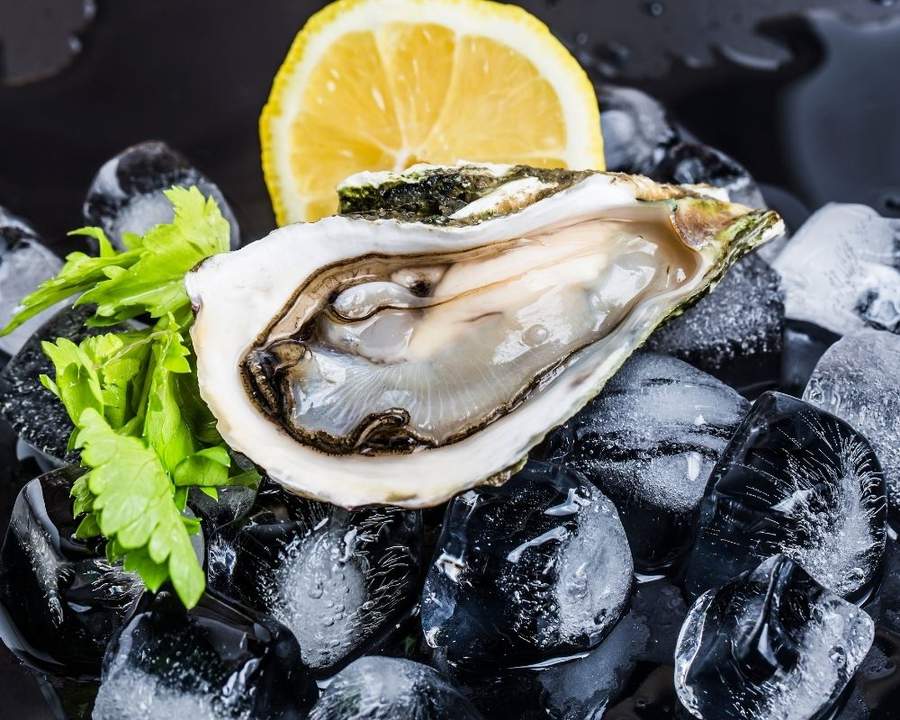
Opened to order, at the bar, in front of you.

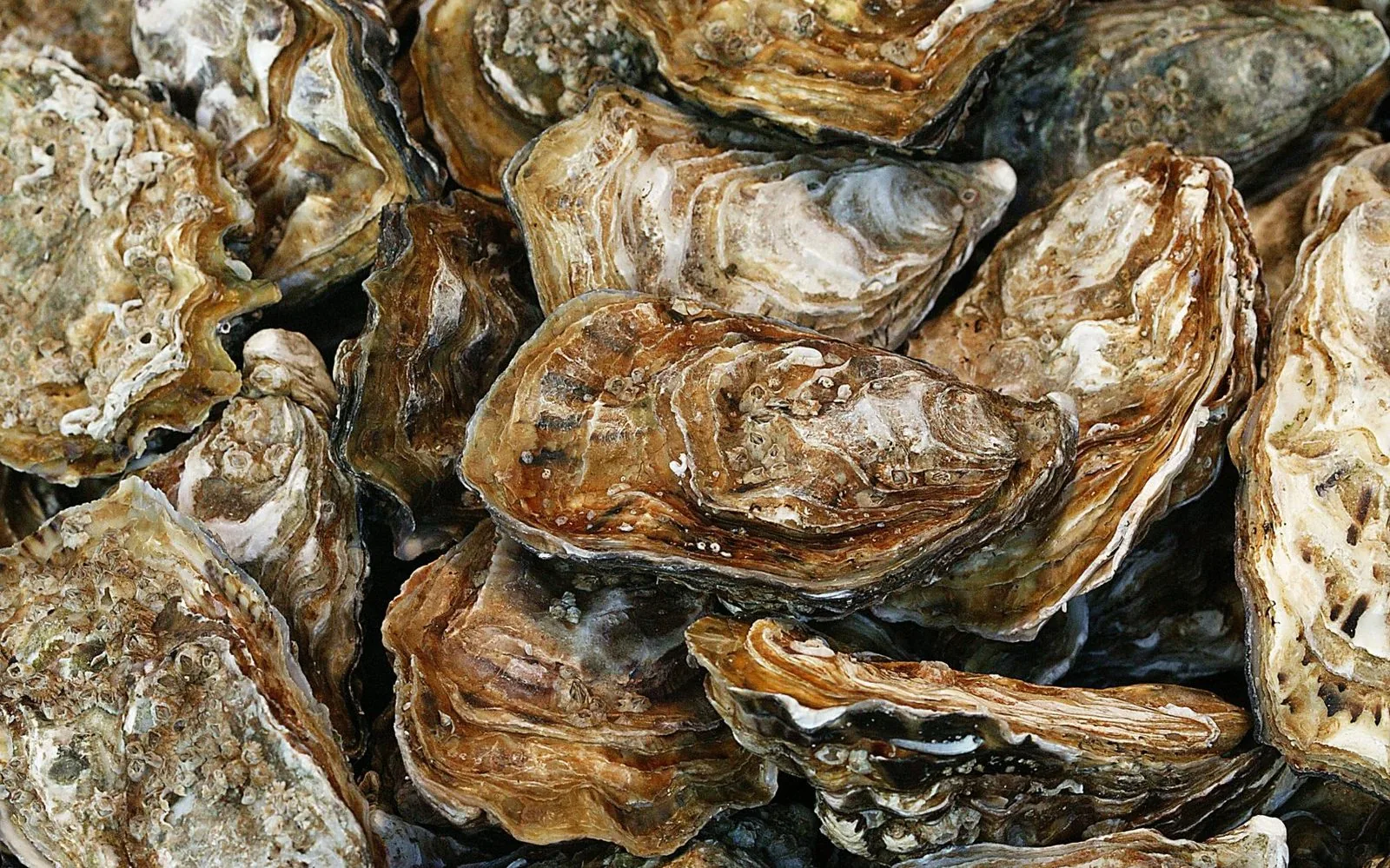
Cold-water Namibian rock oysters, carried by the Benguela Current — shucked the moment before they reach you, never before.

The Ritual

From current to counter

01

Fed by the Current

The Benguela upwelling floods this coast with plankton and minerals — constant feeding, fast growth, remarkable plumpness.

02

Shucked to Order

Every oyster is opened at the counter, in view, seconds before it reaches your table.

03

Dressed, Not Disguised

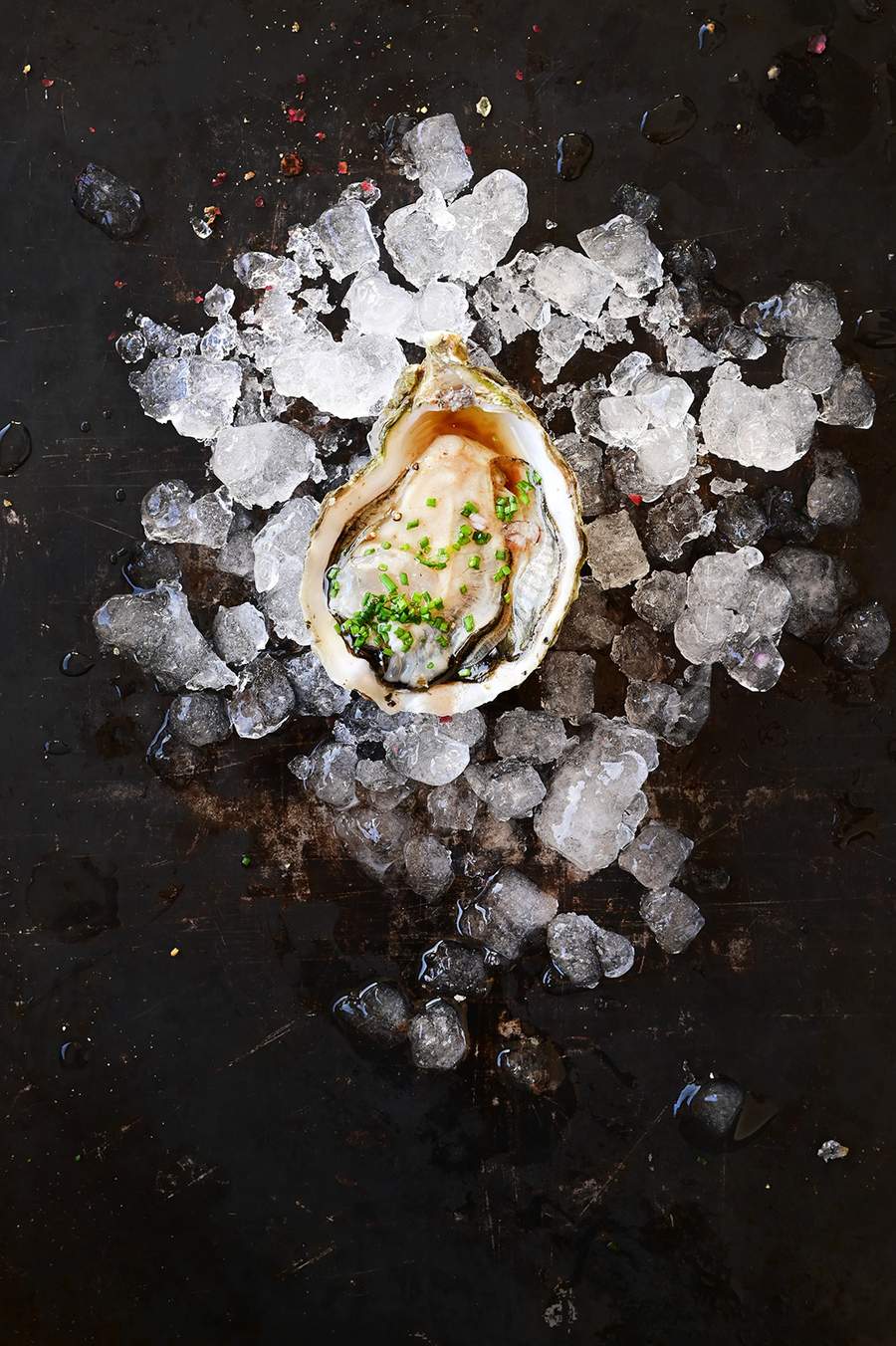
Light toppings that let the oyster speak first — mignonette, citrus, a little heat.

At the Counter

Shell, ice, and nothing in the way

Lifted from the tank, opened in front of you, set on ice and carried straight to the table. The whole distance is about four metres.

Toppings

Choose your dressing

Natural

Nothing added — the current speaks for itself.

Classic Mignonette

Shallot, red wine vinegar, cracked black pepper.

Chilli & Lime

Fresh red chilli, lime, coriander oil.

Ginger & Scallion

Warm, aromatic, a nod to coastal trade routes.

Bloody Mary

Tomato, celery, a dash of heat.

Sweet & Sour Habanero

For the guest who wants the shell to fight back.

Dressed Atlantic oyster on crushed ice
Provenance

Why this coast grows the best oysters on Earth

The Benguela Current drives one of the great upwellings on Earth, hauling cold, nutrient-dense water up from the deep and turning this coast into one of the richest plankton grounds anywhere. Walvis Bay carries some of the highest nutrient concentrations on the African seaboard.

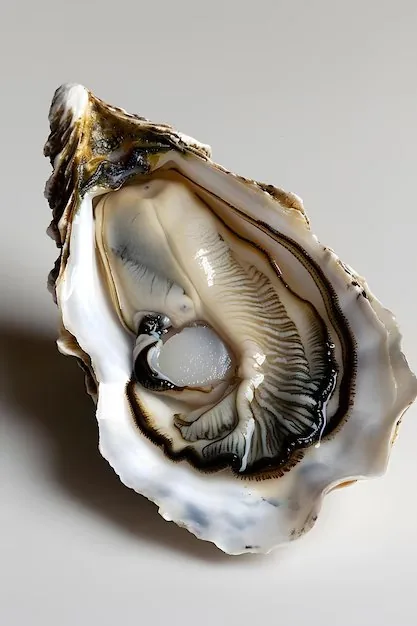
An oyster is a filter feeder, and here it never stops feeding. Ours reach full size in months rather than years, and all that abundance goes straight into the shell — a deep, generous body, dense meat, and a sweet mineral finish.

It makes a genuinely nourishing oyster, too: naturally high in omega-3s, zinc, iron and protein, raised in some of the cleanest water on the planet. A single adult filters close to a hundred litres a day and leaves the bay better than it found it.

We serve them simply, because the ocean already did the difficult part.
See the Full Menu
Reserve Menu Directions